Halloween Costume Guide
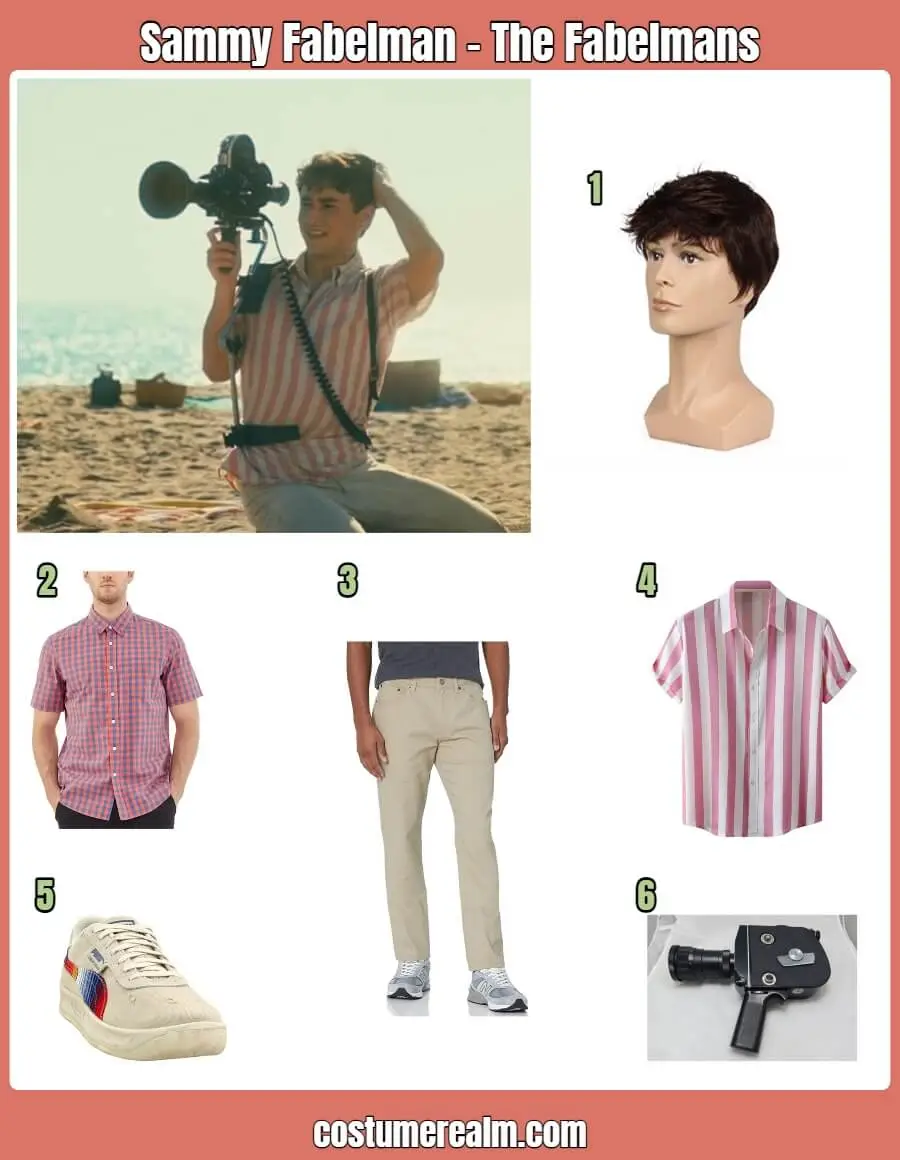
Sammy Fabelman’s mid-century casual look from Steven Spielberg’s The Fabelmans: plaid shirt, twill pants, suede sneakers, and a camera around the neck.
Sammy Fabelman spends most of the film pointing a camera at the people around him and discovering things about them he was not ready to know. The costume is modest by design: a regular kid from the 1950s who happens to be filming everything. Without the camera, it is just period-casual clothing. The film was directed by Steven Spielberg and is based on his own childhood, and it received seven Academy Award nominations including Best Picture and Best Director, according to the film’s Wikipedia page. Gabriel LaBelle plays teenage Sammy. Recognition at a party will depend almost entirely on your crowd.
Affiliate links. We may earn a small commission at no extra cost to you.
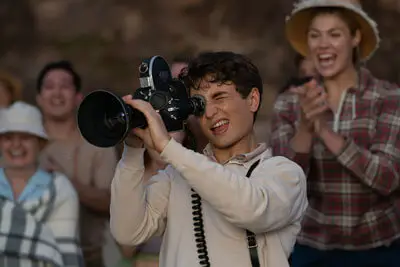
The camera has to be around your neck before anything else makes sense. Without it, this costume is a plaid shirt and tan pants, which describes about forty other characters from the same decade. The shirt matters less than you think; the camera matters more. If it sits low and loose rather than worn purposefully at chest height, the prop reads as an accessory rather than the point of the costume. Period-appropriate trousers worn at the natural waist help, but if the camera is right, people overlook small clothing mismatches.
There is a scene where Sammy is editing footage he shot at a family camping trip and realizes, frame by frame, that something is wrong between his mother and Bennie. He keeps watching it. He does not stop the film. That specific quality, of someone who watches closely and does not look away even when the picture hurts, is what the camera prop is actually referencing. You do not have to explain any of that at a party. Holding the camera up and looking through it does the work.
The camera strap length matters
A strap that hangs too long puts the camera at your stomach, which reads as wearing a bag, not carrying a tool. Adjust the strap so the camera sits at mid-chest. That height matches how Sammy actually carries it in the film and makes it visible in a crowd. Most vintage-style cameras on Amazon come with adjustable straps; do the adjustment before you leave the house, not at the party.
The plaid shirt tuck is a small but real detail
Sammy’s shirts are tucked in during formal or family scenes and untucked during the more active filmmaking sequences. If you want the casual, mid-shoot look, leave it out. If you want the dinner-table version, tuck it in. Neither is wrong, but picking one and committing to it looks more intentional than a half-tuck that happened by accident around midnight.
Group Idea: The Fabelman Family
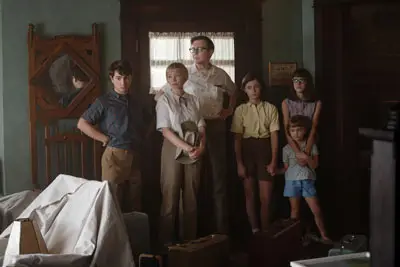
Strong group for people who watched the film together or in a crowd with awards-season followers. The dynamic between these four is the whole film: a loving family slowly pulling apart at a seam that Sammy is the only one filming. Mitzi and Burt need committed costumes to close the loop; this group falls apart if anyone is vague about their character. No dedicated pages for Mitzi, Burt, or Bennie yet, so those three will need to build from their own research.
Group Idea: The Teenage Photographers
Strong group concept because the theme is clear from across the room: four people with cameras, four different decades. Jonathan Byers and Peter Parker are well-known enough to carry the group. Jimmy Olsen is slightly more niche. Sammy is the least recognisable of the four at a general party, but the camera in his hand sells the theme even if people do not place the film.
Group Idea: The Spectacular Sammys
Might work, but this group runs on the joke of the shared name rather than any visual or thematic connection, which means it needs to be explained to land. Samwise Gamgee and Sam Winchester will be recognised immediately. Sammy Lawrence is niche outside Bendy and the Ink Machine fans. Sammy Fabelman is the least recognisable of the group to a general crowd. If your whole group commits to wearing name tags that spell out “SAMMY,” the joke lands. Without that, it is four unrelated characters standing together.
Group Idea: Spielberg’s Heroes
Might work, but only at a film event or convention where people will do the mental work of connecting the director. Indiana Jones is one of the most recognised costumes in existence. Alan Grant and Elliott are well-known within their films but sit a tier below Indy for general crowd recognition. Sammy anchors the concept thematically since he is Spielberg as a child, but that connection is invisible unless you explain it. At a general party, this reads as three Spielberg costumes plus one kid with a camera.
Every The Fabelmans costume guide on CostumeRealm.
Most of this costume is either already in your wardrobe or available at a thrift store. The only item worth buying specifically is the camera.
Sammy does not talk about filmmaking constantly. He films. The prop does the character work, not the conversation. A few things that help:
Build the costume around his 1950s-60s casual look: a short sleeve plaid shirt or pink-white striped shirt, twill pants worn at the natural waist, suede sneakers, and a vintage-style camera on a strap around your neck. The camera is the item that turns a period outfit into a specific character. A brown wig helps if your hair does not match.
It works well with a film-savvy crowd or people who followed the 2023 awards season, since The Fabelmans was a major Oscar contender. At a general party, recognition will be patchy: most people know it is a Spielberg film, but Sammy is not a visually iconic character the way Indiana Jones is. The camera prop helps close that gap.
No specific quotes were provided for this guide. The film’s most discussed moments involve Sammy’s editing of the camping footage and his final conversation with John Ford about the horizon line. For accurate dialogue, the film is the best reference.
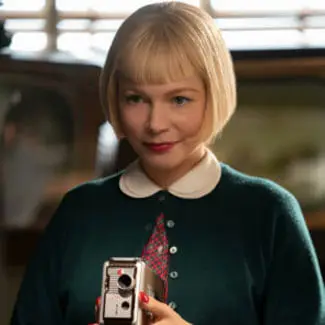
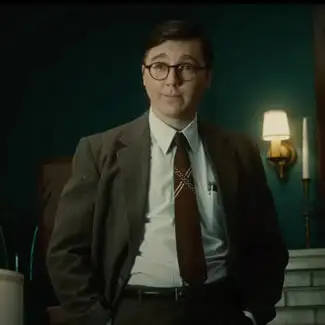
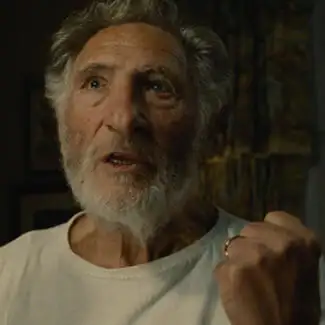
Gabriel LaBelle plays teenage Sammy. The film also stars Michelle Williams as his mother Mitzi, Paul Dano as his father Burt, and Seth Rogen as family friend Bennie Loewy. It was directed by Steven Spielberg and is based on his own childhood and early years as a filmmaker.
Yes. Sammy is Steven Spielberg’s fictional stand-in for himself. The film follows his own childhood across the 1950s and 60s, from his first experiments with a home movie camera through his parents’ divorce and his teenage years in Arizona and California.
Without it, the costume does not read as Sammy. The plaid shirt and twill pants are period-accurate but not character-specific on their own. The camera is the one detail that says “aspiring filmmaker,” which is the whole point of the character. It also gives you something to do at a party, which matters more than it sounds after the first two hours.
The film spans the late 1950s through the mid-1960s. The clothing is casual American mid-century: plaid shirts, plain trousers, simple sneakers. Nothing flashy or tailored. The look reads as a regular kid from that era, which is intentional since Sammy blends in everywhere except when he is behind a camera.